Volunteer3 min read
Planning a 2026 or 2027 mission trip to the Rio Grande Valley
A practical planning guide: what a week actually looks like, what your team will build, what it costs, what to pack for South Texas heat, and how far ahead to book.
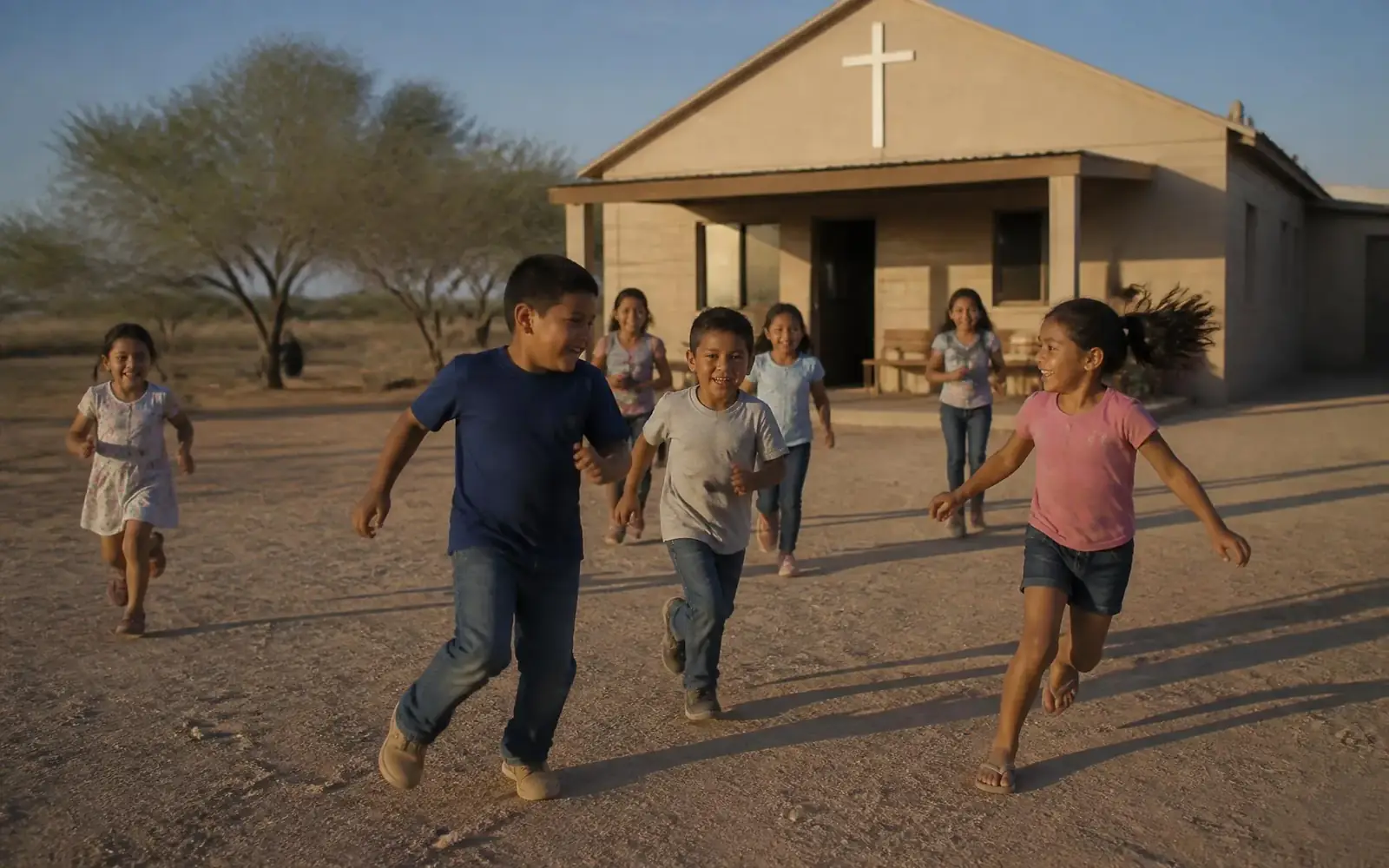
Short-term mission trips can be genuinely useful, and they can also be disruptive — the difference is almost entirely in who decides what the week is for. Trips planned around what visitors want to experience produce a good story and a half-finished house. Trips planned around what a local pastor says his neighborhood needs produce a finished roof and a relationship that outlasts the van ride home.
So we plan them the other way around. Local pastors tell us what is in front of them. We scope the projects, price and buy the materials in the Valley, confirm the sites and build the schedule. Your team arrives to work that is ready to start on Monday morning.
What a week looks like
Most teams serve Monday through Friday and choose a primary track, then pick up secondary work as the week allows.
Construction and repair teams paint, roof, sheetrock, side, install flooring and do light framing on colonia homes. Tasks scale to skill: a first-time fifteen-year-old can scrape, prime and roll all week and be genuinely useful, while an experienced carpenter runs a crew. Food distribution work means packing boxes, loading vehicles and running a church-hosted distribution — physical, fast and usually the morning that most changes how a team sees the Valley.
Kids' ministry teams run Vacation Bible School, kids' clubs, sports and block parties at partner churches, typically in the late afternoon when children are out of the house and the heat has broken slightly. Medical teams run community health screens as described in our screening update. Most weeks combine two of these: build in the morning, kids' club in the afternoon.
A normal day starts early — on site by 7:30 in summer to get work done before the worst heat — breaks in the hottest part of the afternoon, and ends with dinner and a short debrief. Sunday is usually worship with a partner congregation, which is often the part teams remember longest.
What it costs
Costs vary with lodging, group size and project scope, so we quote each team rather than publishing a flat number, and we will give you an honest estimate before you commit. Budget for four things: travel to the Valley (Harlingen, McAllen and Brownsville all have airports; most teams within driving distance van in), lodging and meals, project materials, and a modest per-person program cost that covers site coordination and supplies.
Materials are the line most teams underestimate and the one that most directly determines what your week accomplishes. A team that funds its own materials can reroof a house; a team that arrives without a materials budget can paint one. Both help. Know which you are before you arrive.
When to book
Spring break and June and July fill first, often nine to twelve months out. Fall and winter weeks are far more available, and honestly they are better working conditions — December through February in the Valley is mild, and construction work in 100-degree August heat costs a team about a third of its productivity.
What to bring
For construction: closed-toe work boots, work gloves, safety glasses, a hat with a brim, long pants, and personal tools if you have favorites. For everyone: a refillable water bottle you will actually carry, sunscreen, insect repellent, and more clothing changes than you think — you will sweat through two shirts a day in summer.
Passports are not needed; this is domestic travel within Texas. We do not take teams across the border. Cell coverage is generally good, and the nearest hospital is never far.
Who can come
Churches, youth groups, college groups, school teams, families, medical teams and companies. Group sizes from about six to fifty work; above that we split you across sites. Youth teams need adult ratios that satisfy their own sending organization's policy, and every adult working directly with children goes through the background check our partner churches require.
Starting the conversation
Tell us your group size, an approximate week, and any trades, medical licensure or Spanish fluency you are bringing. We will tell you honestly what we can host well — and if a given week is not a good fit for the work available, we will say so rather than invent busywork for twenty people.
Be part of the next update
Food, home repairs and school supplies across the Valley are funded entirely by people who choose to give. Hearts 4Kids is a 501(c)(3) public charity.
Get the next update by email
A short email every few weeks: field updates, program news and the occasional story from the center. No spam, unsubscribe any time.
Prefer a reader?Subscribe to our RSS feed