Food distribution
Groceries reach colonia families through the churches they already know, close enough to reach on foot when there is no car and no bus route.
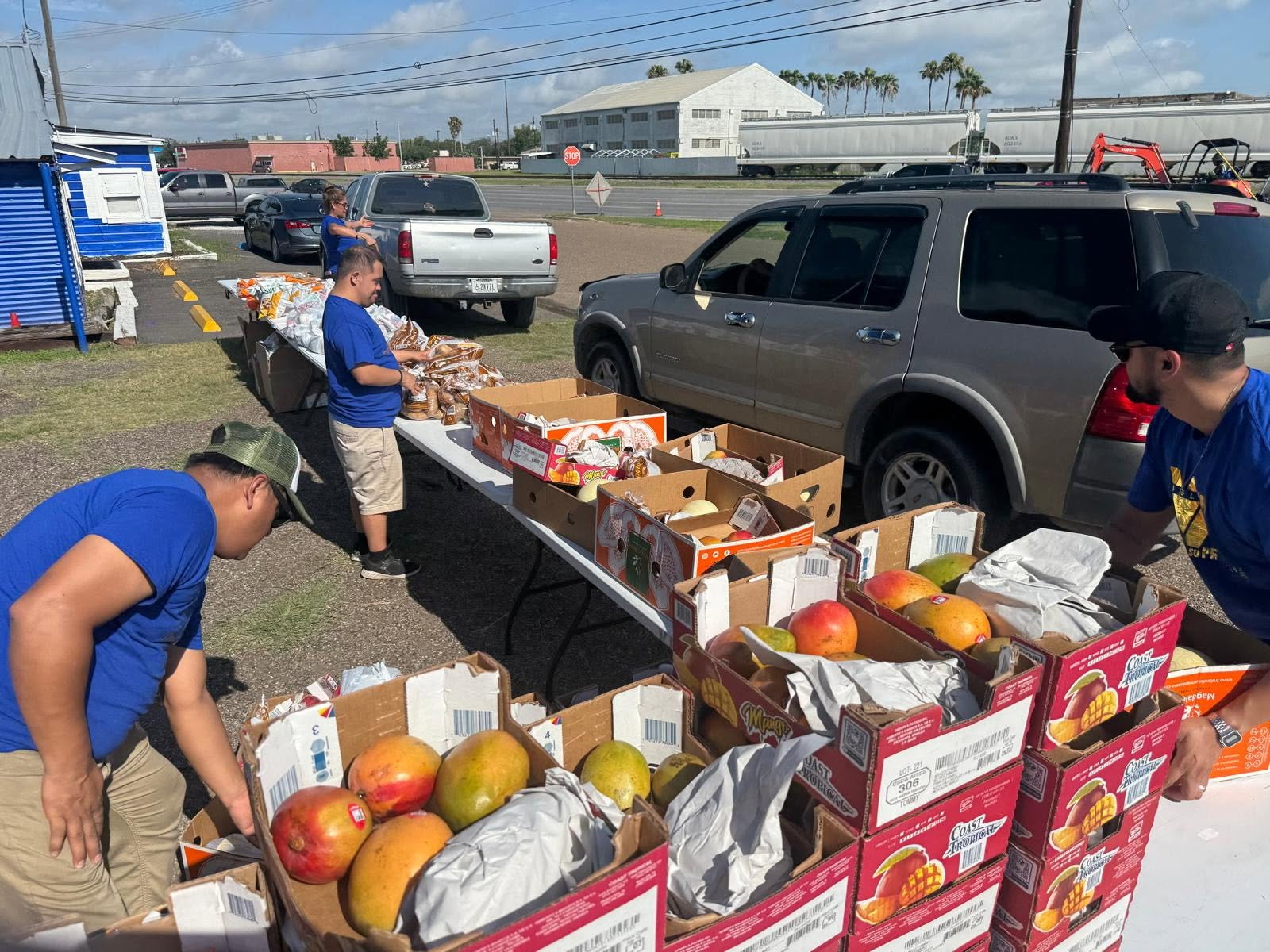
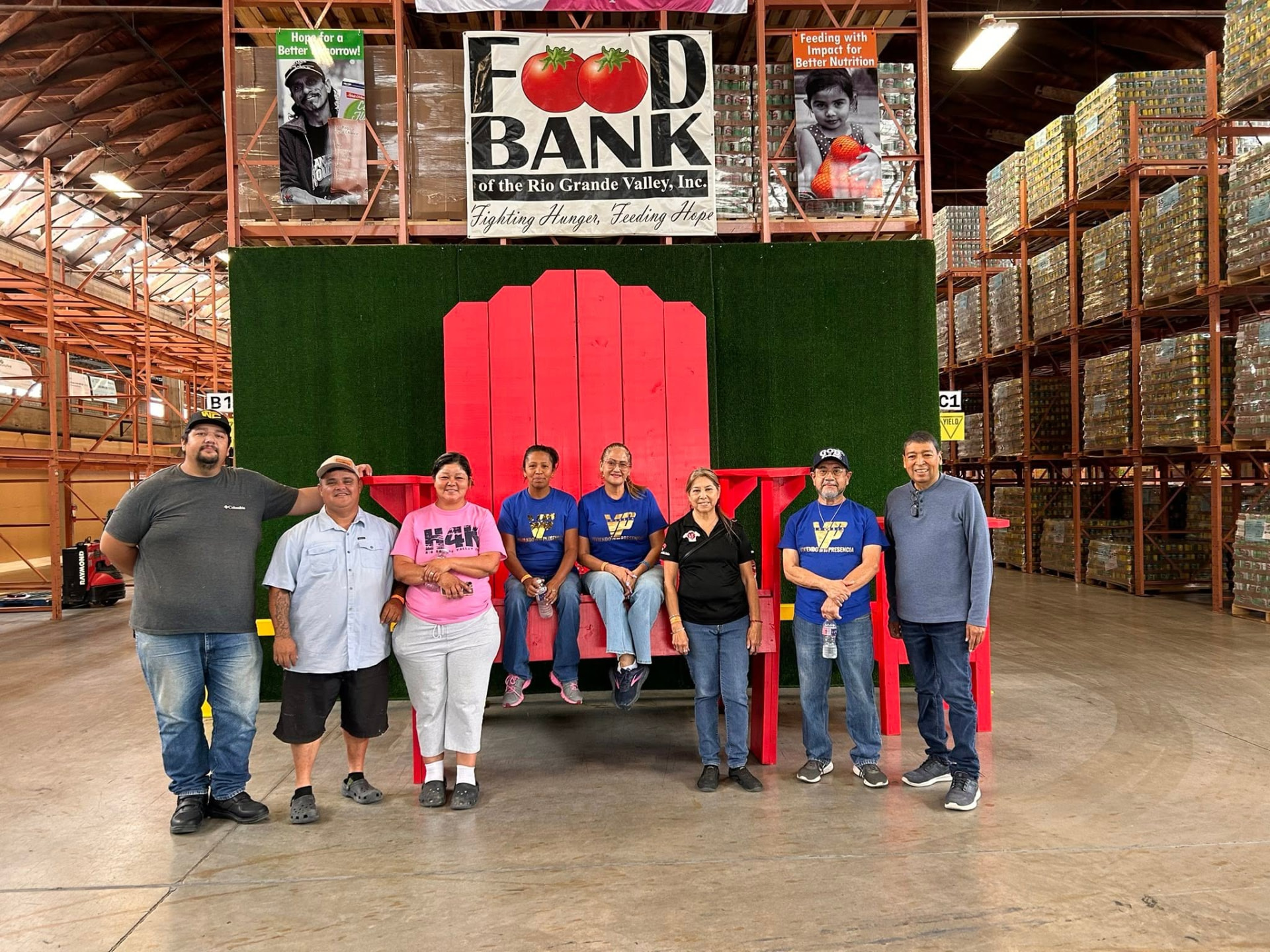
Food is the front door of everything we do. Many colonias sit miles from a grocery store, outside city limits and off any transit line, so a pantry twenty minutes away by car may as well not exist. Hearts 4Kids works with a network of Rio Grande Valley churches that host distributions in their own parking lots and fellowship halls. Congregations supply the volunteers and the trust; we help supply the food, the logistics and the mission teams who pack and carry it. During the 2020 COVID-19 shutdown that same network moved food to roughly 6,000 people a week with more than 750 volunteers, and the relationships built then still carry the ordinary weeks now.
From the work
Why distance is the real barrier
Colonias are unincorporated subdivisions on the edge of Valley towns. They were sold as affordable lots, often without paved roads, drainage or reliable water, and they sit outside city bus routes. A household without a working vehicle — or with one vehicle that a parent takes to work — cannot reach a food pantry in Harlingen or McAllen on a weekday morning. Placing distributions at the neighborhood church removes the trip entirely for many families and shortens it to a few minutes for the rest.
What is in a box
A standard box carries shelf-stable staples — rice, beans, pasta, canned protein and vegetables, cereal, cooking oil — sized to carry a household several days. When donations and cold storage allow, we add fresh produce, eggs, dairy and bread. Boxes are packed to be carried by one adult on foot, because a share of every distribution leaves the lot in someone's arms rather than a trunk.
A distribution day, hour by hour
Volunteers arrive early to unload the pallet delivery and build a packing line in the fellowship hall. Boxes are staged by the door, a walk-up line forms on one side and vehicles queue on the other. Church members greet families by name, note who has not come in a while, and pass those names to the pastor. Teardown is fast; the follow-up conversations afterward are the part that matters most.
Between distributions
Hunger does not run on a schedule. Partner pastors keep a small reserve for emergencies — a family that lost work mid-week, a household displaced by a house fire or flooding, a grandmother raising grandchildren whose benefits lapsed. Hearts 4Kids helps restock those reserves and connects the deeper cases into our other programs: a leaking roof to the construction team, an untreated condition to the next health screen.
How it works
- Partner churches host distributions in the colonias, within walking distance for many households
- Volunteers and visiting mission teams sort, pack and load boxes of staples and fresh items
- Pastors identify households in crisis and follow up between distributions
- Drive-through and walk-up lines both served, so a family without a vehicle is never turned away
Who it’s for
- Open to any family in need at a participating church — no membership or faith requirement
- No documentation status questions are asked
- Priority for households with children, elderly residents and families who have lost income
- Served in English and Spanish
What we’re seeing
- Food reaches families in colonias that sit outside city grocery and transit routes
- More than 70 churches take part in the distribution network across the Valley
- Pantry sites started with us, such as the 2016 pantry at Iglesia Vino Nuevo in San Carlos, keep operating between mission trips